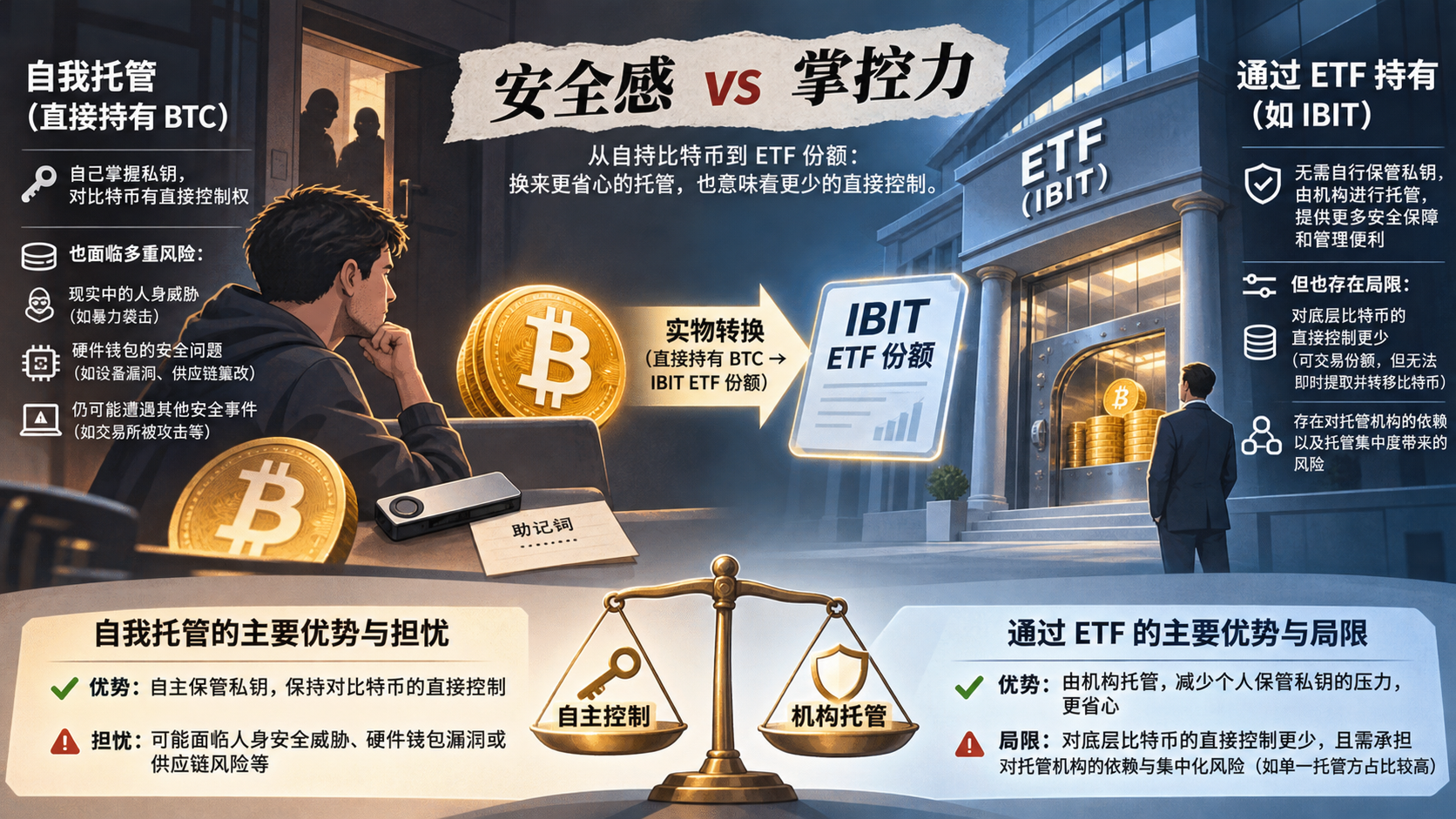
BlackRock digital-assets head Robbie Mitchnick says some large Bitcoin holders are exchanging directly held BTC for shares of its IBIT ETF, citing security and peace of mind. The shift does not settle the debate over custody: ETF shares remove the need to safeguard personal keys, but they also give holders less direct control over their Bitcoin.
The security concerns behind the shift
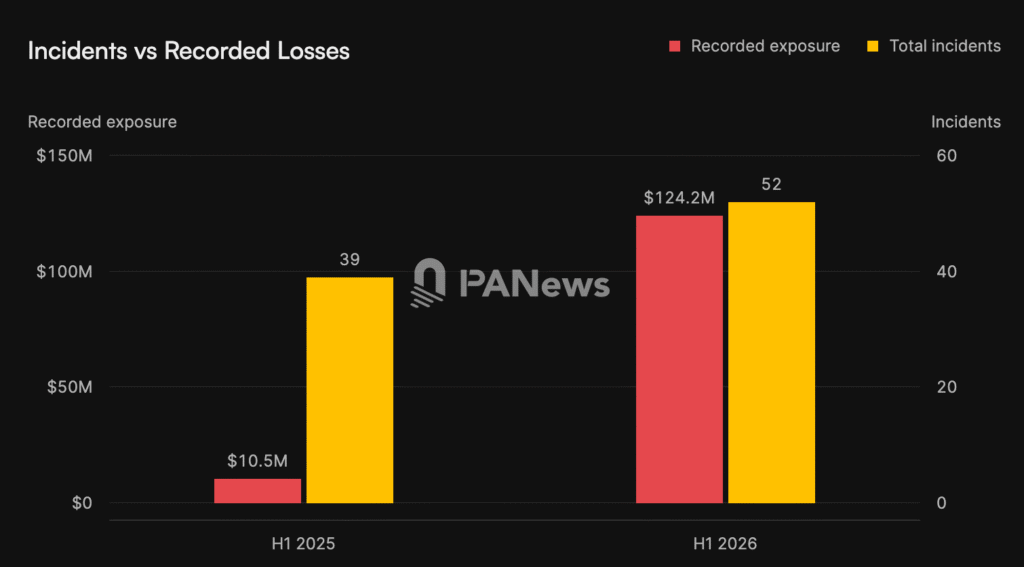
PANews reported on November 11, 2026, that physical attacks on crypto holders and risks to hardware wallets were contributing to interest in institutional custody. Citing CertiK, it said 52 violent attacks on crypto holders were recorded worldwide in the first half of 2026, up 33.3% year over year. CertiK put the recorded funds exposed in those incidents at about $124.1 million, versus $10.5 million a year earlier; 33 of the attacks occurred in France.
The article also described reported hardware-wallet security incidents involving Coldcard, Ledger devices sold through distributor CryptoBilis, and potentially tampered Trezor devices sold through the same channel. Those reports illustrate a distinct concern from online theft: keeping a private key offline does not, by itself, eliminate physical or supply-chain risks.
What the IBIT conversions show—and what they do not
Mitchnick said BlackRock had recorded approximately $3.6 billion in conversions from directly held Bitcoin into IBIT shares since regulators approved in-kind transactions in 2025. He said the total could be higher because BlackRock does not handle or observe every conversion. He also said the minimum size for an IBIT in-kind conversion had fallen from roughly $30 million to about $1 million–$2 million. These figures describe conversions into fund shares, not a forecast for Bitcoin’s price.
The article said analyst PlanB had disclosed moving his Bitcoin holdings into an ETF in 2025, citing the convenience of managing the exposure alongside stocks and bonds without personally managing keys or hardware wallets. Bitwise investment chief Matt Hougan argued that ETF custody can offer long-term holders additional safeguards, while noting a limitation: investors can trade shares but cannot immediately withdraw and transfer the underlying Bitcoin.
A different set of custody risks
Self-custody advocates cited by PANews object that relying on a financial institution can reintroduce risks of restrictions or frozen assets. The article also raised concentration risk, citing Coinbase disclosures that put its share of the Bitcoin ETF custody market at about 90%. Coinbase, for its part, said its custody assets are held in cold storage with controls including split private keys and abnormal-activity monitoring.
For Bitcoin holders assessing custody, the reported conversions show a trade-off rather than proof that one method is universally safer: protection from some personal-key and physical threats comes with dependence on fund structures and custodians.
Source: panewslab.com (originally published 2026-11-11 16:40 UTC+8)