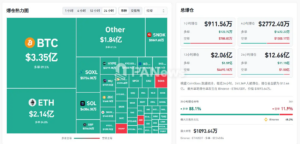
Bitcoin fell to a low of $62,006 on November 15, 2026, according to a Biteye article published the following day. That was nearly half its October 2025 all-time high. Biteye argues that historical cycles put Bitcoin near a period when previous bear markets reached their lows, but says current funding and macroeconomic pressures could delay a recovery.
What Biteye says is weighing on Bitcoin
Biteye cites approximately $1.91 billion in net outflows from US spot Bitcoin ETFs over seven consecutive trading days through November 13. It also reports that the supply of major stablecoins fell by about $11.5 billion over the preceding 30 days.
The article attributes several possible explanations for the decline to CZ, including ETF outflows, macroeconomic pressure, security concerns and uncertainty about US regulation after the midterm elections. One suggestion—that investors might sell Bitcoin to raise money for a potential Anthropic IPO—is presented as market speculation, not an established cause.
Biteye adds that high-yield stablecoin products may reduce some investors’ appetite for volatile assets. It also raises concerns about exchange security and future AI and quantum-computing risks to Bitcoin cryptography. These are the author’s proposed explanations and concerns, not demonstrated causes of the price decline.
The historical case—and its limits
Biteye lists declines of roughly 85%, 84% and 77% in three earlier Bitcoin bear markets, with lows reached after 406, 364 and 366 days, respectively. It says more than 13 months had passed since the October 2025 peak by the time of its November 16 report. That comparison suggests a potential bottoming period, but does not establish that a low is in place.
The author offers three further historical comparisons:
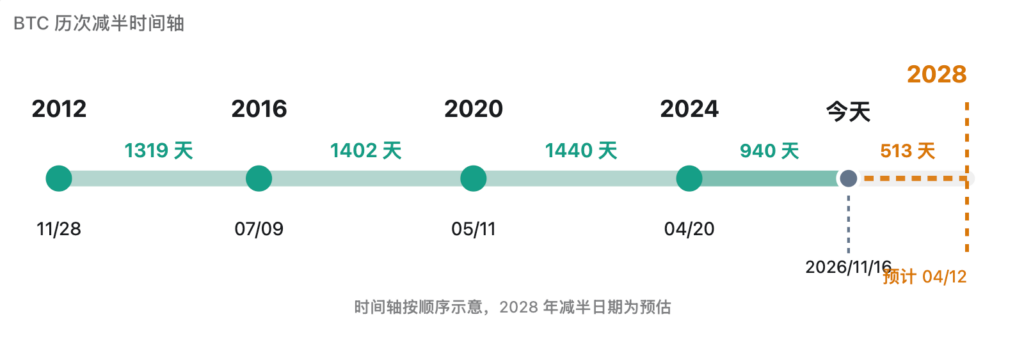
- In three prior cycles, Biteye says sustained recoveries began approximately 272, 404 and 462 days before a halving. On that basis, it proposes January–July 2027 as a possible recovery window.
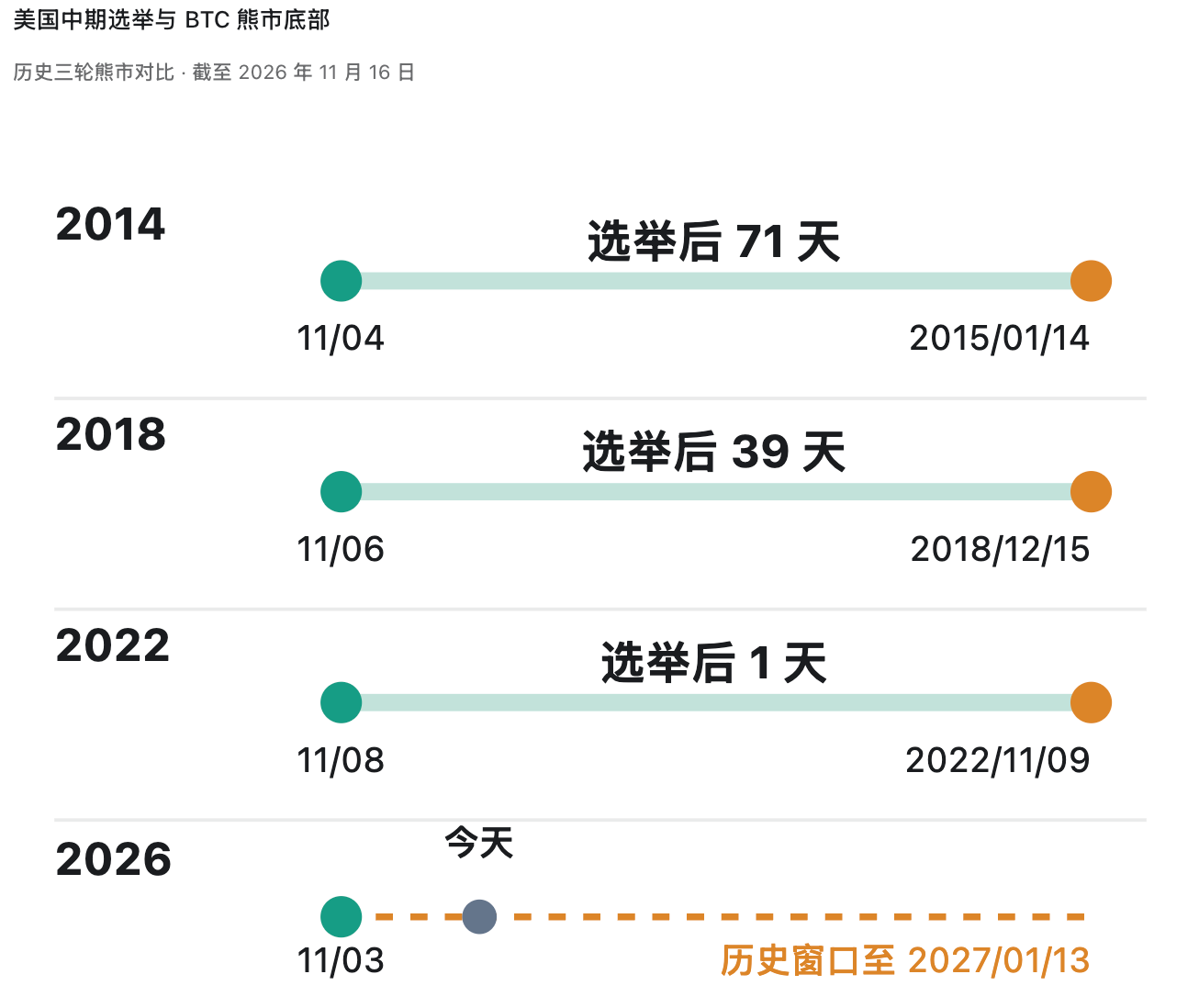
- Citing BlackRock, it says the S&P 500 gained an average of about 14.1% in the six months after US midterm elections since 1970. Biteye also says Bitcoin’s lows in the three bear markets it reviews occurred 1–71 days after midterm elections.
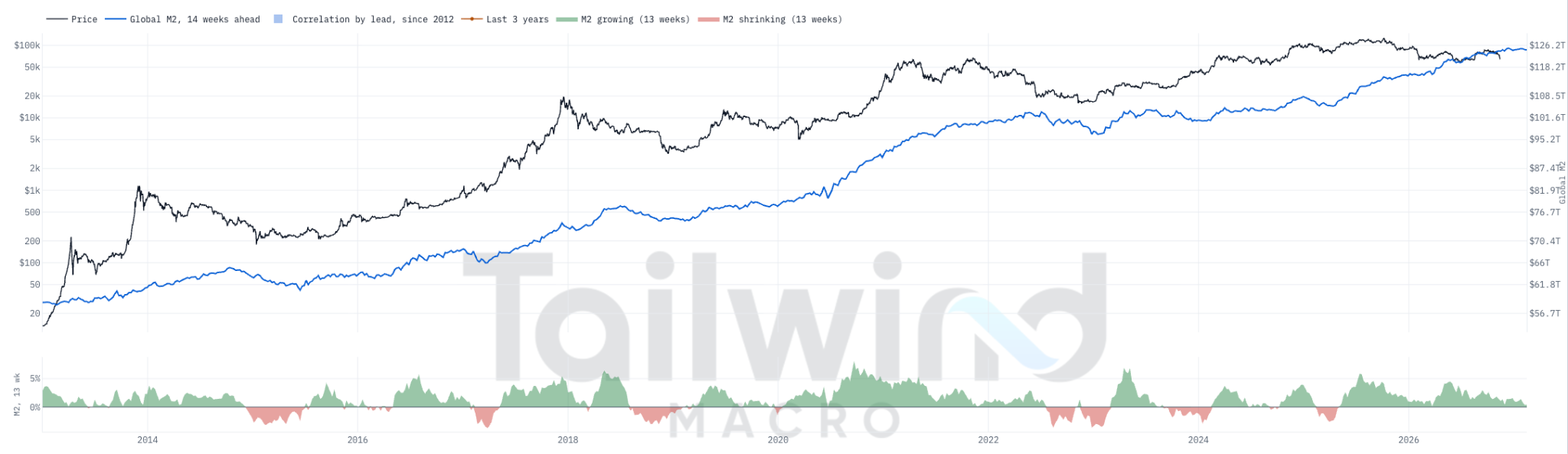
- The article says global M2 is still growing, with US M2 up 5.7% year over year. Citing Coinbase research that changes in global M2 have historically led Bitcoin by about 110 days, it identifies the first quarter of 2027 as another period to watch.
These are historical analogies and attributed research claims, not a timetable Bitcoin must follow.
Conditions that could delay a rebound
Biteye says markets were pricing about 64 basis points of US rate increases over the following 12 months. It reports a roughly 5.15% US 10-year Treasury yield and a dollar index above 103—conditions it sees as competing with demand for Bitcoin. It also points to weaker technology stocks amid concern over AI investment spending, continued crypto-market outflows, and pressure on Strategy’s ability to keep buying Bitcoin if financing conditions worsen.
Biteye’s overall assessment is that late 2026 through the first half of 2027 could be a decisive period for the bear market. The article makes that outlook conditional on clearer interest-rate prospects, stabilizing US stocks and renewed institutional inflows; it acknowledges that today’s conditions differ from earlier cycles.
Source: panewslab.com (originally published 2026-11-16 19:24 UTC+8)